

Brighter Blooms Shrubs & Hedges Peacock Hydrangea Shrub
Original price was: $24.97.$17.48Current price is: $17.48.
- Shop with confidence, we guarantee quality.
- 7 Days of Hassle-Free Returns
- Quality products for every lifestyle.
- 7-Day Returns, 100% Quality

Blue-Purple Blooms on New and Old Wood
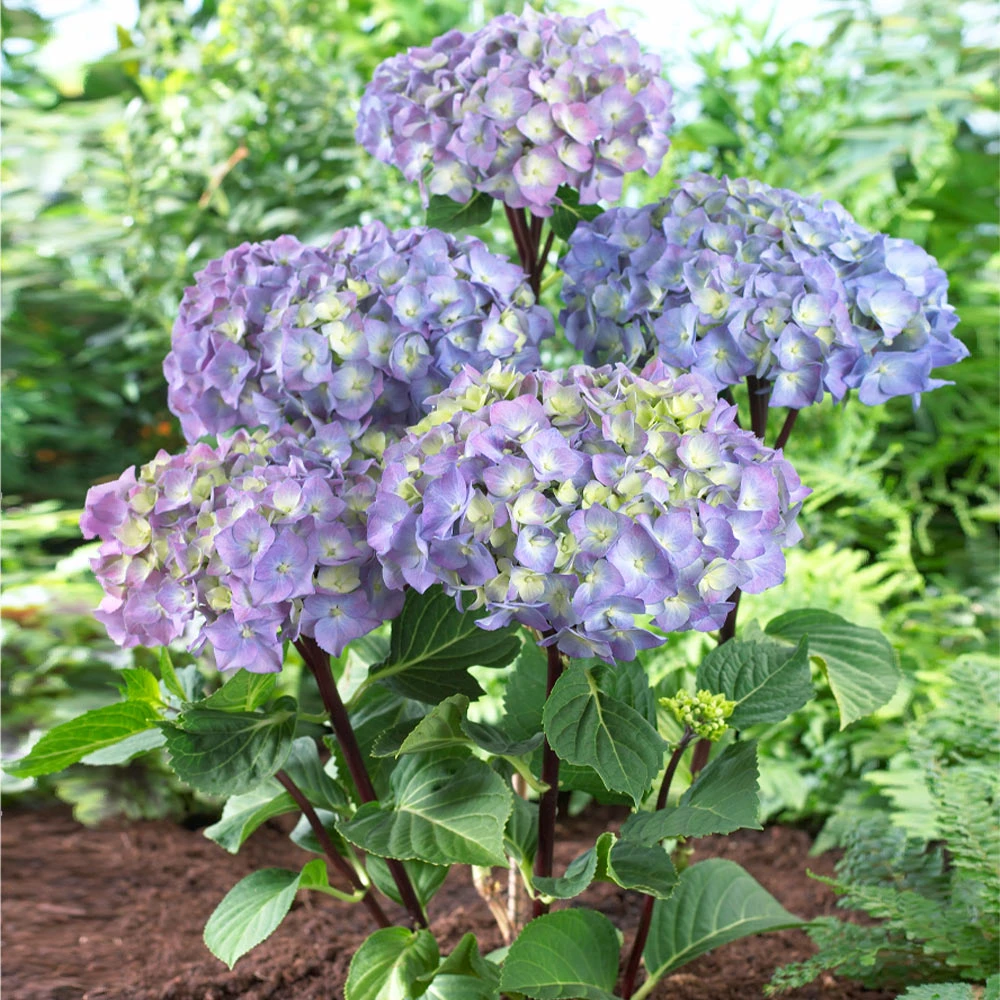
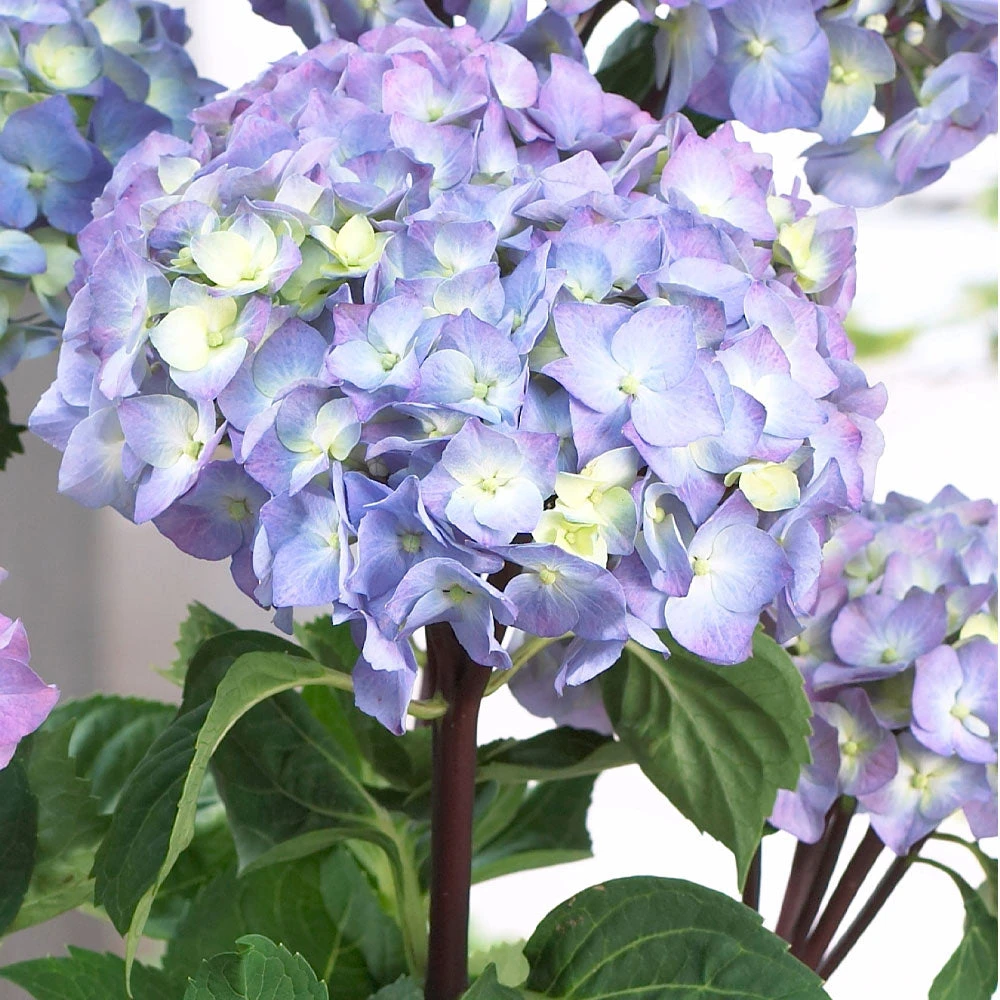
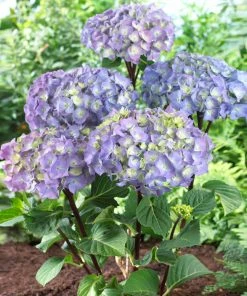
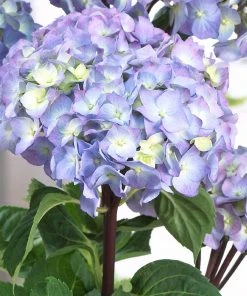
Classic blue-purple blooms meet the unique spin of black stems on the Peacock Hydrangea Shrub. And though its large blooms are synonymous with the timeless growth you love from the Hydrangea, its dark stems set it apart, along with its reblooming good looks when many other flowering varieties are fading.
Young stems emerge green and then eventually transition to black, making the Peacock unique. And it blooms on new and old wood. That means less time spent pruning and clipping or fussing to encourage blooms because it’s gorgeous without hassle.
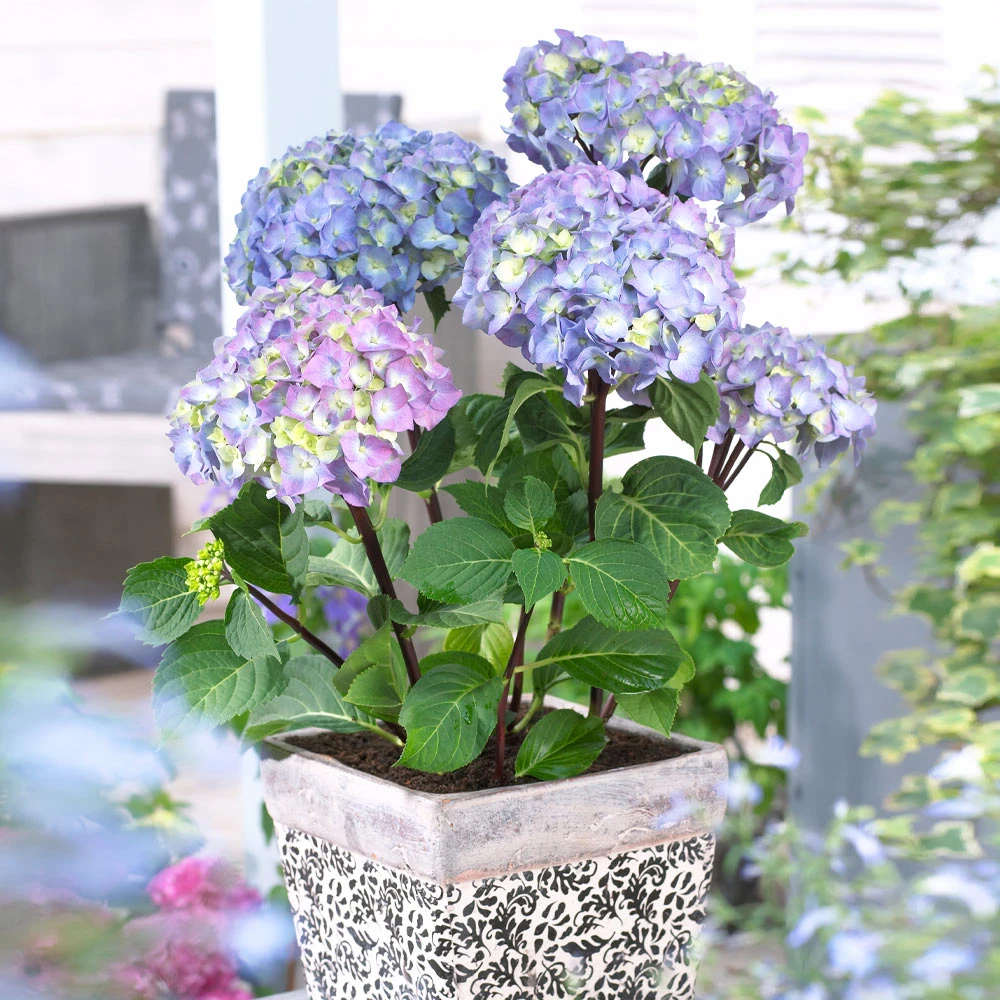
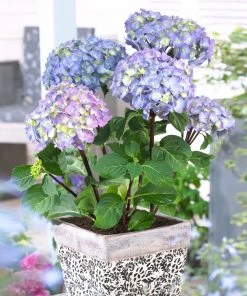
From container plants on your balcony or porch to borders along your driveway, your Peacock Hydrangea leaves a gorgeous impression. And since it’s disease-tolerant and fast-growing, you don’t need a green thumb to get great results.
Even better? We’ve nurtured and hand-picked your Peacock Hydrangea for proven performance. We do the hard work at our nursery, monitoring, and shipping with care, to ensure you get a thriving shrub. All you have to do is order from the convenience of home…and a better-developed, healthier Hydrangea arrives directly at your door.
You won’t get this high-quality Hydrangea from your local big-box store.
So, get a prolific, contrasting bloomer that’s one-of-a-kind. Get your Peacock Hydrangea Shrub today!
Planting & Care
1. Planting: First, select an area with full sun (any area that receives 6 to 8 hours of sunlight daily) and well-drained soil.
Then, dig a hole large enough to accommodate the rootball, place your shrub, backfill, and water to settle the roots.
If you’re planting in a container, select a pot that’s twice as large as your shipped container and ensure it has drainage holes. Place your Peacock Hydrangea, use organic soil mix, and find a sunny area on your porch or patio for your plant.
2. Watering: Generally, you will water your Hydrangea about once or twice weekly. But if you’re not sure when to water, simply check your soil about 3 inches down – if the soil is dry here, it’s time to water.
3. Fertilizing: Your Hydrangea shouldn’t need much fertilizer, but if you do need to feed it, use a well-balanced blend, like 10-10-10, in the spring before new growth begins.
4. Pruning: It blooms on new and old wood, but your Peacock can be pruned for shaping and even healthier blooms in its dormant season, during the winter season.
| Size | 2 Quart, 2 Gallon |
|---|
Be the first to review “Brighter Blooms Shrubs & Hedges Peacock Hydrangea Shrub”
Related products
Apples Trees


Fragrant Bloomers

Fruit Trees

Berry Bushes


Cherry Trees
Fig Trees
Reviews
There are no reviews yet.